
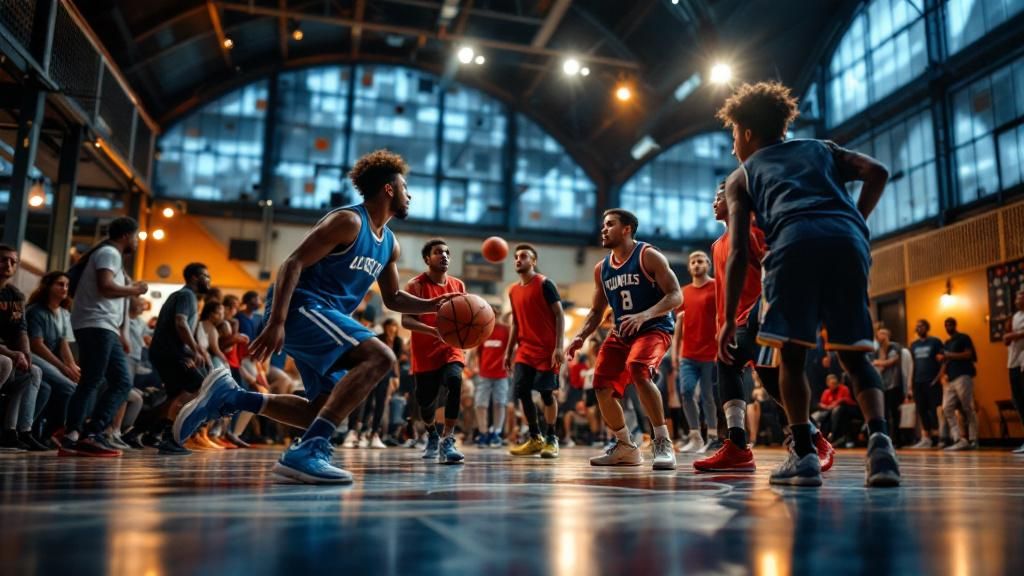
Basketball is reshaping communities throughout Britain’s major cities, with youth coaching initiatives creating life-changing prospects for vast numbers of young people. From Manchester to London, innovative coaching initiatives are not only nurturing athletic potential but also fostering social cohesion, improving mental wellbeing, and offering essential routes out of disadvantage. This article explores how basketball organisations are tapping into the sport’s international popularity to develop more resilient and cohesive communities, whilst providing the next generation with essential life skills in all aspects of life.
Developing Groundwork in City Areas
Urban communities across Britain are experiencing a significant transformation through strategically designed youth basketball programmes. These initiatives acknowledge that young people in urban areas often lack access to quality sporting facilities and professional guidance. By creating basketball courts in community centres, schools, and public spaces, organisations are creating inclusive environments where talent can flourish regardless of economic circumstances. The programmes emphasise accessibility, ensuring that cost is no barrier to participation and that every young person receives equal opportunity to build their abilities and potential.
The groundwork laid by these programmes go well past athletic development. Coaches and mentors collaborate closely with participants to instil discipline, teamwork, and resilience—qualities that prove invaluable in daily life. Basketball acts as a strong mechanism for developing confidence in young people who may have felt previously marginalised or overlooked. Through formal training activities, competitive matches, and strong community support, participants establish a sense of belonging and purpose. These early interventions generate enduring positive outcomes, directing young people towards healthier lifestyles and away from destructive behaviours.
Community engagement continues to be central to programme success across major British cities. Local organisations collaborate with schools, youth services, and family support networks to recognise and develop emerging talent. This holistic approach ensures that basketball development programmes become integral to neighbourhood infrastructure rather than isolated initiatives. Parents and guardians are actively involved in their children’s sporting journeys, encouraging family involvement and strengthening community bonds. The programmes illustrate that investing in youth basketball creates far-reaching benefits throughout entire communities, enhancing community unity and collective wellbeing.
Evidence from cities taking part reveals substantial beneficial results for young people involved. Beyond enhanced physical conditioning and sports achievement, participants report increased academic involvement, greater confidence, and deeper social bonds. The programmes effectively span social divisions, uniting young people from diverse backgrounds united by their passion for basketball. This inclusivity cultivates mutual respect and understanding, breaking down social obstacles that often characterise urban environments. By creating these shared spaces and experiences, basketball programmes become significant forces for constructive social transformation within British urban centres.
Achievements and Impact Across the UK
Youth basketball initiatives have delivered outstanding outcomes across Britain’s principal cities, transforming lives and building stronger community ties. Participation numbers have increased substantially, with thousands of adolescents participating in structured coaching and competitive sport. Beyond sporting progress, these initiatives have shown measurable improvements in academic achievement, psychological wellbeing, and social inclusion. Local communities indicate stronger community unity and lower levels of problematic behaviour amongst young participants, validating the holistic benefits of ongoing basketball participation.
The Inner City Initiative
The London Basketball Development Project has positioned itself as a leading initiative, serving multiple boroughs with particular focus on underserved communities. Since its inception, the initiative has engaged over 3,000 young participants, providing no-cost instruction, equipment, and mentorship opportunities. The programme’s effectiveness comes from its integrated method, combining academic support with physical development and establishing clear pathways for promising performers towards professional development and university scholarships.
Evaluations indicate that young people taking part demonstrate significantly improved attendance records and academic achievement versus non-participants. Many young people recognise the programme’s role in offering positive role models and alternative pursuits to street-level influences. Schools in the area and youth support services highlight stronger partnerships, enabling better resource coordination and strengthened support systems for at-risk youth in London’s inner city regions.
Manchester and Birmingham Expansion
Manchester’s basketball resurgence has been supported by dedicated community organisations creating local programmes in disadvantaged areas. The expansion strategy prioritises accessibility, operating multiple venues and running activities at flexible schedules to meet varied household needs. Across a two-year period, the initiative has attracted 2,500 consistent attendees, with notable achievement engaging girls and young women traditionally marginalised in organised sports activities within these communities.
Birmingham’s matching expansion mirrors Manchester’s successes, with recently built basketball venues becoming key community hubs. These initiatives have effectively generated work opportunities for community coaches and auxiliary staff, generating economic benefits alongside social impact. Both cities report sustained participant retention rates above 80%, demonstrating real community enthusiasm and the schemes’ impact in tackling local requirements through accessible, culturally relevant youth engagement strategies.
Future Growth and Opportunities
The progression of youth basketball development programmes across British cities seems exceptionally positive, with considerable resources and growing community engagement creating remarkable progress. Municipal bodies, private backers, and community groups are working together to expand facilities, increase coaching capacity, and create long-term funding solutions. As these programmes develop and evidence tangible community outcomes, stakeholders are becoming more dedicated to rolling out effective schemes, ensuring that basketball continues transforming lives in underresourced neighbourhoods nationwide.
Looking ahead, several key strategic priorities will shape the sector’s development and impact. Strengthened collaboration between schools, universities, and professional clubs are set to create seamless talent pathways whilst building community bonds. Digital transformation, improved accessibility for disabled participants, and culturally adapted offerings represent promising opportunities. Furthermore, research programmes documenting sustained results will enhance evidence frameworks, drawing in additional investment and policy support for basketball’s vital role in youth development and social improvement across Britain.
- Growth of indoor and outdoor basketball facilities in underrepresented neighbourhoods
- Development of mentorship scholarships for emerging young basketball players
- Building of university-community partnerships reinforcing talent pathways significantly
- Integration of mental wellbeing services throughout existing basketball development structures
- Introduction of inclusive programmes for disabled and marginalised young participants
